Trezor Suite: Your Complete Guide to Securely Managing Cryptocurrency
Introduction: What is Trezor Suite?
In the rapidly growing world of cryptocurrency, managing your assets securely is a top priority. One of the most trusted ways to safeguard your digital assets is through the use of a hardware wallet. Trezor, a leading name in the hardware wallet industry, offers Trezor Suite, an all-in-one software solution for securely managing, storing, and interacting with cryptocurrencies.
Trezor Suite is the official desktop and mobile app for Trezor hardware wallets, which include the Trezor One and Trezor Model T. This intuitive interface enables users to easily connect their Trezor devices to their computer or mobile device and perform a wide range of actions, including viewing balances, sending and receiving cryptocurrencies, and managing multiple assets—while keeping private keys offline for maximum security.
In this comprehensive guide, we’ll explore how to use Trezor Suite for secure cryptocurrency management, walk you through its key features, and troubleshoot common issues.
Why Choose Trezor Suite for Managing Your Crypto?
Choosing the right software to manage your cryptocurrency is just as important as choosing the right wallet. Here’s why Trezor Suite stands out in the crowded crypto space:
1. Security You Can Trust
Security is the cornerstone of Trezor Suite. When you use Trezor hardware wallets in combination with the Trezor Suite app, your private keys are stored securely offline on the hardware wallet. This significantly reduces the risk of hacks, phishing attacks, and online vulnerabilities. The hardware wallet itself is your key to secure storage, while Trezor Suite acts as a trusted interface to interact with your crypto.
2. Easy-to-Use Interface
Trezor Suite is designed with both beginners and experienced crypto users in mind. The interface is intuitive, easy to navigate, and provides a seamless experience whether you’re monitoring your portfolio, sending funds, or managing your assets.
3. Multiple Cryptocurrencies Supported
Trezor Suite supports a wide range of cryptocurrencies, including Bitcoin (BTC), Ethereum (ETH), Litecoin (LTC), and many ERC-20 tokens. It’s perfect for those who hold a variety of assets and want to manage them all from a single, secure platform.
4. Integrated Exchange and Coin Swap
One of the standout features of Trezor Suite is its built-in exchange functionality. You can buy, sell, and swap cryptocurrencies directly from the app. This integration simplifies the process of converting between different cryptocurrencies without needing to leave the Trezor Suite environment.
How to Set Up Trezor Suite
Before you can begin using Trezor Suite to manage your cryptocurrency, you need to set it up correctly. Below are the steps to get started with Trezor Suite and your Trezor hardware wallet.
Step 1: Download and Install Trezor Suite
Visit the Official Trezor Website: Open your web browser and go to the official Trezor website. Make sure you are downloading from the official website to avoid potential phishing sites.
Choose Your Operating System: Trezor Suite is compatible with Windows, macOS, and Linux. Select the version that corresponds to your operating system and download the app.
Install the Application: Once downloaded, run the installer and follow the on-screen instructions to install Trezor Suite on your computer. Alternatively, you can use the Trezor Suite mobile app for iOS or Android, which offers a similar experience on your phone.
Step 2: Connect Your Trezor Device
Connect Your Trezor Hardware Wallet: Use the provided USB cable to connect your Trezor One or Trezor Model T to your computer or mobile device.
Unlock Your Device: If this is your first time using the device, follow the setup process on your Trezor hardware wallet. You’ll need to set a PIN code for added security.
Install Trezor Firmware: If your Trezor device has outdated firmware, Trezor Suite will prompt you to install the latest version. Always ensure that your device firmware is up to date to maintain the highest level of security.
Step 3: Set Up a Wallet or Restore an Existing One
Once your device is connected:
Create a New Wallet: If you’re setting up a new wallet, choose this option and follow the prompts to generate a 24-word recovery seed. This recovery phrase is crucial for restoring access to your wallet if your device is lost or damaged.
Restore an Existing Wallet: If you already have a wallet and want to restore it, select the “Restore” option and input your 24-word recovery seed to access your wallet.
Logging In to Trezor Suite
Once your Trezor Suite is installed and your device is set up, logging in is straightforward:
Open Trezor Suite: Launch the Trezor Suite application from your computer or mobile device.
Connect Your Trezor Device: Ensure that your Trezor One or Trezor Model T is connected to your device via USB (or Bluetooth for mobile).
Enter Your PIN Code: Input the PIN code you created during the setup process on your Trezor hardware wallet. This PIN is used to unlock your wallet and access your cryptocurrency accounts.
Access Your Portfolio: After entering your PIN code, you will be logged in to Trezor Suite, where you can view your portfolio, check balances, and begin managing your assets.
Key Features of Trezor Suite
Once logged in, Trezor Suite offers a range of powerful features to help you manage your cryptocurrency assets securely. Let’s dive into the key features you’ll be using most often.
1. Portfolio Management
Trezor Suite provides a comprehensive overview of your cryptocurrency portfolio. From the main dashboard, you can:
View the total value of your holdings.
See the individual balances for each cryptocurrency you own.
Track historical price data and market performance for each coin.
Monitor recent transactions and account activity.
The portfolio overview makes it easy to stay on top of your investments and track the performance of your assets over time.
2. Send and Receive Cryptocurrency
The most basic and essential feature of Trezor Suite is the ability to send and receive cryptocurrencies. Here’s how it works:
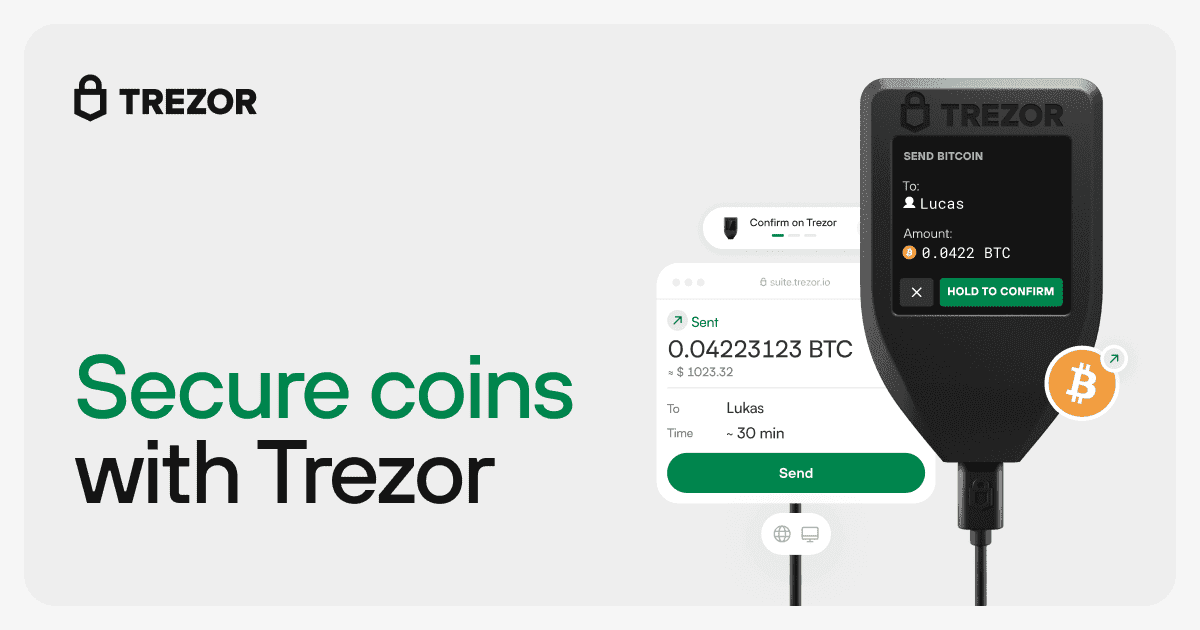
Sending Funds: To send funds, select the cryptocurrency account you want to send from, enter the recipient’s address, choose the amount to send, and confirm the transaction on your Trezor hardware wallet. The device will prompt you to verify the transaction for added security.
Receiving Funds: To receive funds, simply click the Receive button, generate a new wallet address, and share it with the sender. Always double-check the receiving address on your Trezor hardware wallet to avoid mistakes.
3. Coin Swap and Exchange Integration
Trezor Suite has integrated third-party services that allow you to easily swap or exchange cryptocurrencies without leaving the app:
Swap Cryptocurrencies: You can exchange one cryptocurrency for another directly from within Trezor Suite. This feature is convenient for users who want to convert their assets without needing to go through a separate exchange.
Buy Crypto: If you want to buy crypto, you can do so directly through the app via integrated services that allow you to purchase Bitcoin, Ethereum, and other supported cryptocurrencies using a bank card or bank transfer.
4. Advanced Settings for Power Users
For more experienced users, Trezor Suite offers advanced settings:
Custom Fees: Set custom transaction fees for Bitcoin and other cryptocurrencies to ensure your transactions are processed at the speed you need.
Multisignature Wallets: Create multisignature wallets to further enhance security by requiring multiple signatures to approve transactions.
Passphrase Protection: Add an additional passphrase layer of security to your wallet. This creates an entirely new wallet in your Trezor device that’s protected by the passphrase.
5. Transaction History and Analytics
Trezor Suite lets you keep track of your transaction history and provides detailed analytics about your spending and income over time. You can easily see:
The total number of transactions made.
The total amount spent and received.
The history of each transaction, including time, date, and confirmation status.
Troubleshooting Common Trezor Suite Issues
While Trezor Suite is designed to be easy to use, there are some common issues that users might encounter. Here are some solutions to common problems:
1. Trezor Suite Not Detecting My Device
If Trezor Suite isn’t detecting your hardware wallet, try the following:
Check USB Connection: Ensure the USB cable is securely connected. Try a different cable if necessary.
Update Firmware: Make sure your Trezor device is running the latest firmware. Trezor Suite will notify you if an update is needed.
Restart the App: Close and reopen Trezor Suite to reset the connection.